What London's Streets Are Saying Right Now

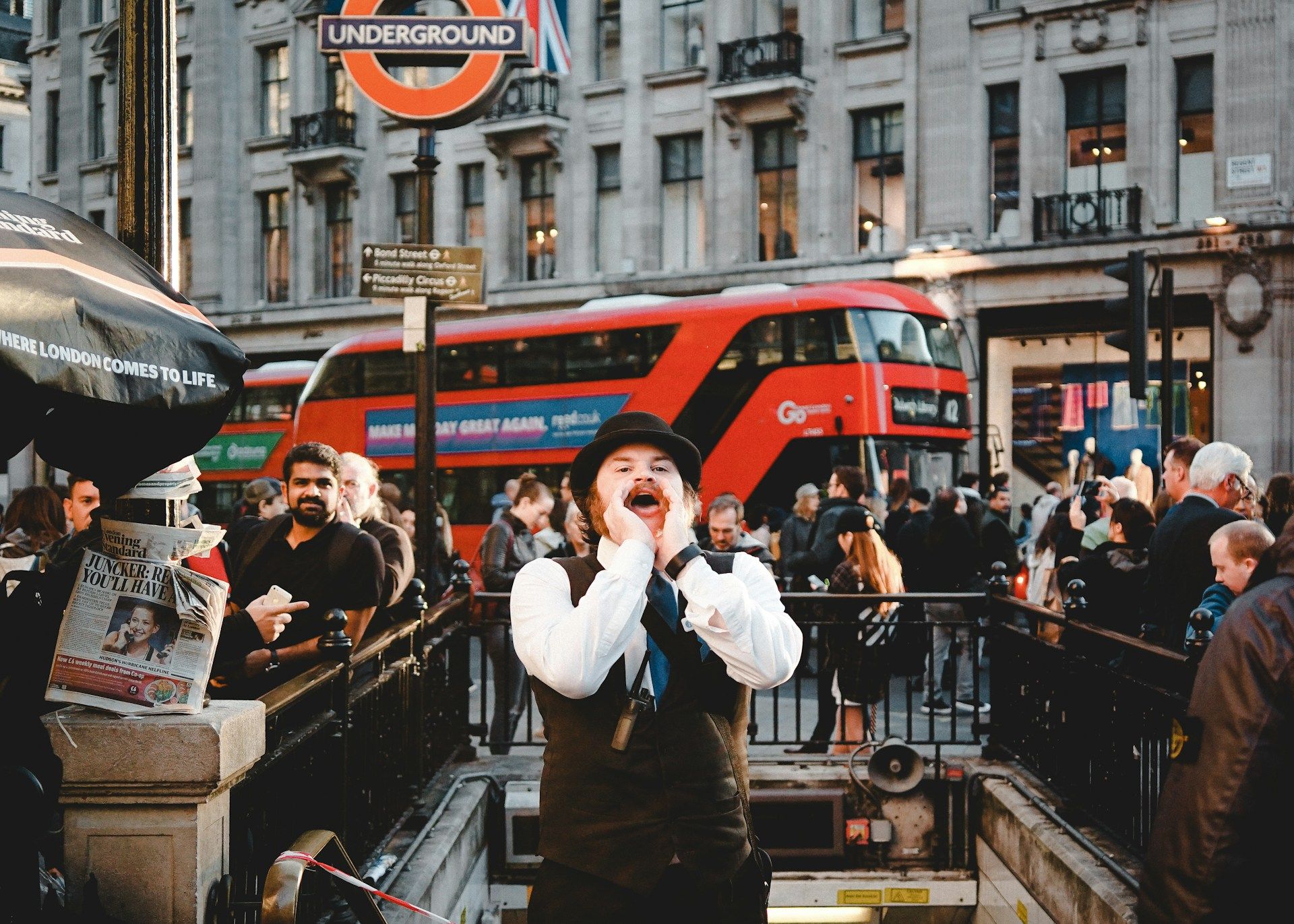
Image: AI‑generated illustration – Gemini 3.1 Pro
There is a photograph that does not exist yet, somewhere in London, at this exact moment. It is being made in the gap between a number 63 bus and the shopfront it is passing. In the expression of someone who has just received news on their phone, standing in the middle of Brixton market, surrounded by people who have no idea. In the shadow thrown by the Barbican's walkways onto the concrete below on a January afternoon, which falls at an angle that is only possible for about eleven minutes per day in the middle of winter.
Most of it will not be caught. Most of it never is. That is both the frustration and the entire point of street photography — the knowledge that the city is producing images constantly, in quantities no individual photographer could ever keep pace with, and that the practice is always a matter of being in the right place through some combination of patience, instinct, and luck that varies in its proportions every single day.
Why London
London has been a serious subject for street photography since the medium existed. The reasons are partly demographic — the density of the city, the layering of different communities, the fact that you can walk four streets in any direction in certain parts of London and move through what feels like several distinct cultural worlds. They are partly architectural — the light that falls between Victorian terraces and modern glass towers creates a visual complexity that cities built in a single era do not have. And they are partly about the particular character of Londoners themselves, who have developed a remarkable talent for being simultaneously in very close proximity to each other and in a state of thorough mutual non-acknowledgement.
This is photographically useful. People in London are rarely performing for an audience in the way that people in more extroverted cities sometimes are. They are living their lives with a directness and an inwardness that, when caught well on camera, produces images of genuine emotional specificity. The best street photography from London does not look like tourism. It looks like evidence.
The city as a sequence of accidents
The photographer Martin Parr, who has documented British life for decades with a combination of affection and horror that is uniquely his own, once said something that applies beyond his particular practice: that the photographs you plan are rarely as interesting as the ones you did not expect. The accidental image — the one where you were in the right position for a different reason and something better happened — is the foundation of street work.
London produces these accidents in volume because it is a city in a state of perpetual, low-level chaos. Nothing runs exactly on time. People move in patterns that are collectively predictable but individually surprising. The weather changes its mind several times per day, sometimes per hour, and each change creates different light. The street market that was quiet on Tuesday afternoon is inexplicably packed on Wednesday morning. The alleyway that you have walked down a hundred times acquires, on the hundred and first visit, a figure in a doorway that you have never noticed before.
This variability is the reason photographers who commit to London tend to return to the same locations repeatedly — not because they expect the same thing but because they know that the same geographical space will produce different images under different conditions, and that they cannot predict which conditions will be most interesting until they are standing in them.
The neighbourhoods that photograph differently
Every photographer who works London seriously eventually develops a mental map of the city organised not by geography or transport links but by visual character. This map does not align with any official version of how the city is organised.
Peckham on a Saturday afternoon. The bus station, the market on Rye Lane, the rooftop bar that has become a cliché but still produces crowds with interesting faces, the Copeland Road gallery cluster. Peckham is a photographer's neighbourhood because it has not been resolved into a single identity. It is working-class and creative and immigrant and gentrifying and resistant to gentrification all at once, and this tension produces a visual energy that more settled neighbourhoods do not have.
Smithfield in the early morning, before the tourists reach the City, when the market is finishing its night's work and the surrounding streets smell of the particular cold air that comes off the refrigeration units. The delivery workers finishing shifts, the hospital porters on breaks, the first office workers arriving before eight. It is a version of London that most people who work in the City never see, and it looks nothing like the version of the City that those same people inhabit from nine onwards.
The Thames, almost anywhere, in the hour before sunset on a clear day. The light on the water becomes a specific shade of gold that does not occur anywhere else in London and that consistently produces photographs that look like they have been worked in post-production when they have not. The South Bank walkway, the Bermondsey riverbank, the viewpoint at Greenwich where you can see Canary Wharf and the Isle of Dogs and the curve of the river all at once — these are places that reward patience in a way that feels almost unfair.
The question of permission
Street photography in the UK operates in a legal framework that is more permissive than many photographers realise. In a public space, you are generally entitled to photograph what is visible — including people, without their explicit consent, as long as the use of the image is not defamatory or invasive of a reasonable expectation of privacy. This is a simplification, and the specifics matter, but the core principle is that photography in public is a legitimate activity.
The more interesting question is not the legal one but the ethical one. Whether you have the right to take a photograph and whether the photograph is a respectful act are not the same question. Some photographers in the street documentary tradition — and Diane Arbus is the most discussed example — produced work of undeniable power through methods that were, by any straightforward ethical measure, exploitative of their subjects. The images outlasted the harm or the discomfort, and we have mostly decided that this is acceptable because of the artistic result. It is a decision worth interrogating rather than simply inheriting.
The most interesting street photographers working in London now tend to resolve this by working in their own communities — the places and people they know, where the photograph is an act of documentation rather than extraction. This does not mean the images are less powerful. In many cases it means they are more so, because the specificity of genuine familiarity shows in the work in ways that the outside view rarely achieves.
The photograph that is there right now
Somewhere in London this afternoon, something is happening that will look extraordinary in two dimensions. The geometry of two people at a crossing. The colour of a fruit stall under a grey sky. The reflection in a puddle after last night's rain that turns a plane tree into something abstract and strange.
It will probably not be caught. The person with the right eye might be on the wrong side of the city. The person on the right side might not be looking up from their phone. But the image exists, briefly, whether or not anyone sees it.
That is what makes London one of the great photographic cities. Not the monuments or the heritage or the obvious visual drama of the skyline. The continuous, indifferent production of moments that mean something if you are paying attention.
All you have to do is keep showing up.
LondonGaze Editorial covers London's creative and cultural landscape from the inside.