The Slow Death of the Soho Agency

For decades, the geography of London’s creative industry was remarkably simple. If you were an agency, a production house, or a design studio of any repute, you were in Soho. The narrow streets between Oxford Street and Shaftesbury Avenue were the undisputed epicenter of British advertising and media—a place where deals were done over long lunches and creative directors held court in private members' clubs.
That era is over. It didn't end with a bang, but with a slow, agonizing whimper of rising commercial rents and changing working habits.
The migration east and south Take a walk through Soho today, and the physical spaces once occupied by radical design studios have been replaced by boutique fitness classes, high-end matcha bars, and international flagship stores. The creative class has been priced out of its own spiritual home.
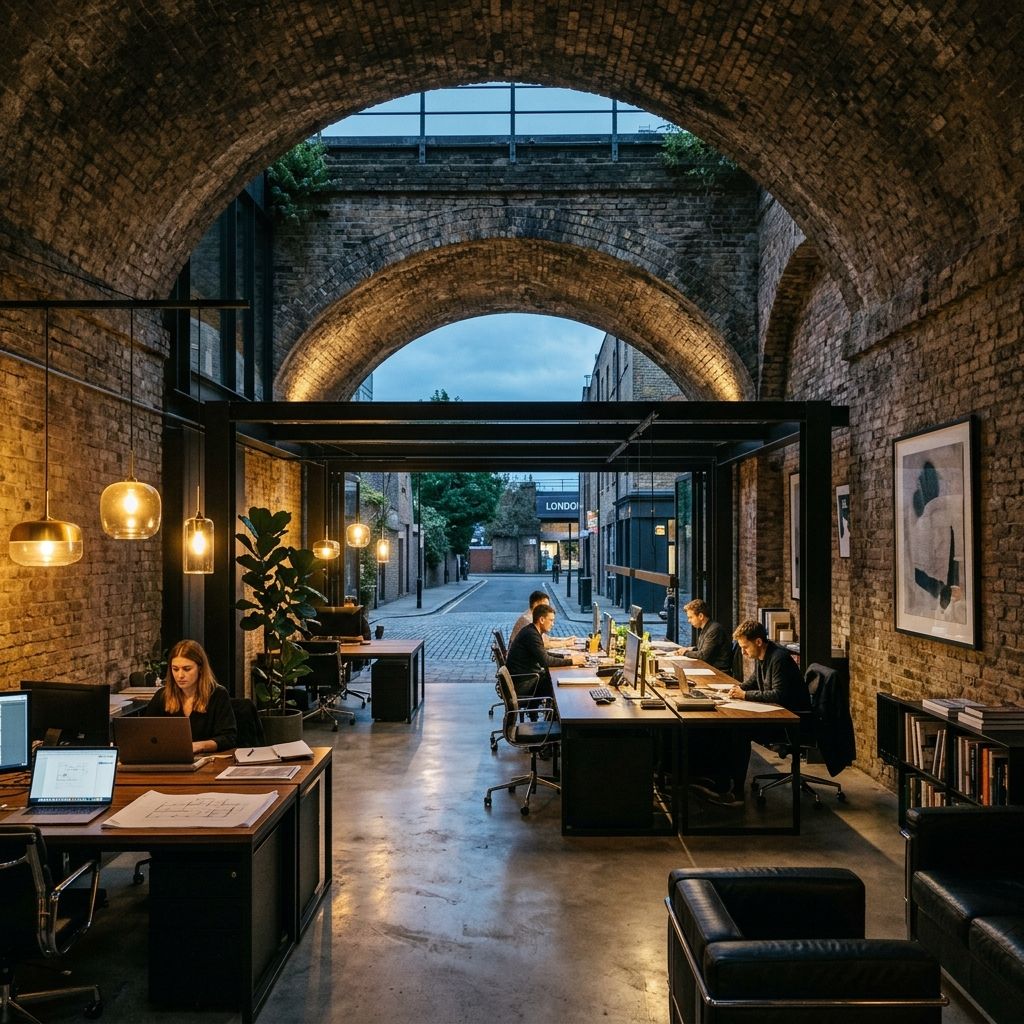
But this isn't a story of decline; it is a story of evolution. The dispersal of London’s creative energy has actually made it more interesting. Studios are now tucked away in the industrial estates of Tottenham, the railway arches of Peckham, and the brutalist office blocks of Croydon.
A change in the work This geographical shift has had a profound impact on the work itself. The Soho agency model was built on proximity—to clients, to competitors, to a specific kind of centralized prestige. It produced brilliant work, but it also produced an echo chamber. When everyone is drinking at the same pubs and looking at the same reference material, the output inevitably homogenizes.
The new decentralized studios are operating differently. They are leaner, often remote-first, and deeply embedded in their local neighborhoods rather than a centralized "creative hub." A studio based in a converted warehouse in Deptford is pulling from a completely different set of visual and cultural references than an agency on Dean Street.
The end of the ego-palace Perhaps the most significant change is the death of the agency as a physical monument to ego. Clients are no longer impressed by exposed brickwork, neon signs, and ping-pong tables in W1. They care about output, agility, and whether the people doing the work actually understand the culture they are trying to speak to.
London’s creative scene hasn't died; it has just stopped caring about a postcode. The best work is no longer happening in the center. It is happening on the edges, quietly, away from the noise, in spaces that actually allow for experimentation.
LondonGaze Editorial covers London's creative and cultural landscape from the inside.