The Unexpected Beauty of the Elizabeth Line

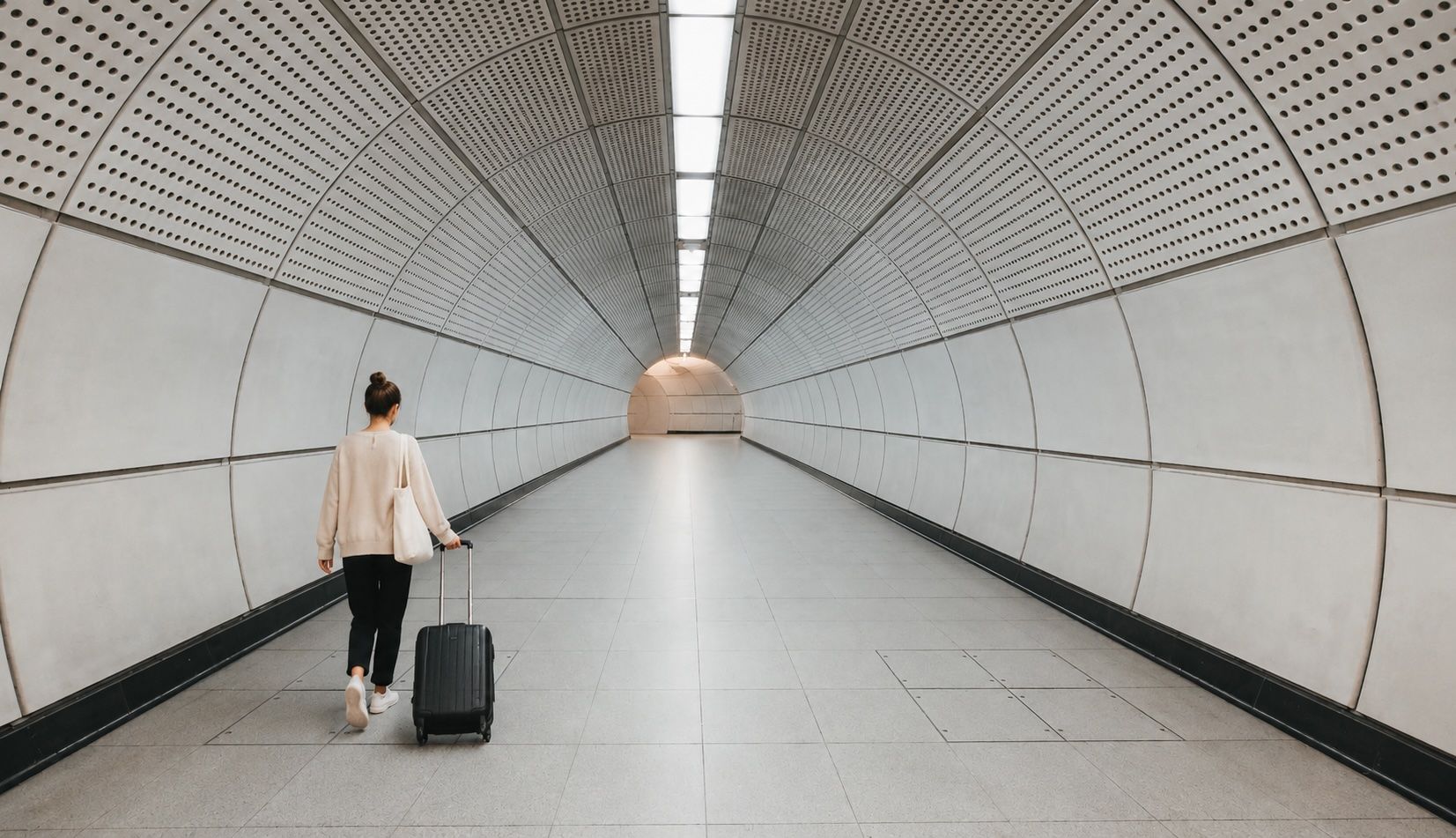
Image: AI‑generated illustration – Gemini 3.1 Pro
Londoners are generally resistant to new infrastructure. We view grand civic projects with a deep, instinctive cynicism—assuming they will be late, over budget, and ultimately disappointing. The Elizabeth Line was all of those things, right up until the moment it opened. Then, quietly, everyone realized it was magnificent.
It is easy to focus on the raw metrics: the billions spent, the miles of tunnel dug, the sheer volume of concrete poured. But the true achievement of the Elizabeth Line is not its engineering. It is its architecture.
The psychology of descent Moving through one of the central stations—Tottenham Court Road, Farringdon, Liverpool Street—feels less like entering a transport network and more like stepping into a secular cathedral. The scale is intentionally overwhelming, yet paradoxically calming.
This is not an accident. The architects understood that navigating deep underground spaces is inherently stressful. Their response was to design environments that manipulate your psychology through light, curve, and material. The vast, sweeping junctions between tunnels eliminate sharp corners, replacing the claustrophobic anxiety of the older Tube network with a continuous, flowing line of sight. You are never pushed; you are guided.
The acoustics of calm Perhaps the most striking aspect of the Elizabeth Line is what you don't hear. The older deep-level lines scream and screech, metal grinding against metal in a way that forces you to physically brace yourself. The Elizabeth Line is unnervingly quiet.
The glass fiber reinforced concrete cladding that lines the tunnels isn't just there to look sleek and futuristic. It is acoustically tuned. It absorbs the harsh frequencies of the trains and the crowds, reducing the ambient noise to a low, manageable hum. It is one of the only public spaces in London where a thousand people can be moving simultaneously, and you can still hear yourself think.
A unified visual language Unlike the patchwork aesthetic of the rest of the network, where Victorian tile meets 1980s plastic meets modern stainless steel, the Elizabeth Line commits to a single, uncompromising visual language. The indirect lighting that washes up the curved walls, the massive, integrated display screens, the specific, muted shade of purple—it is a total environment.
In a city defined by architectural chaos, the Elizabeth Line is a rare moment of absolute, cohesive control. It is a reminder that public infrastructure does not have to be purely utilitarian. It can be beautiful. It can be calming. And it can actually make living in this city feel, briefly, effortless.
LondonGaze Editorial covers London's creative and cultural landscape from the inside.